
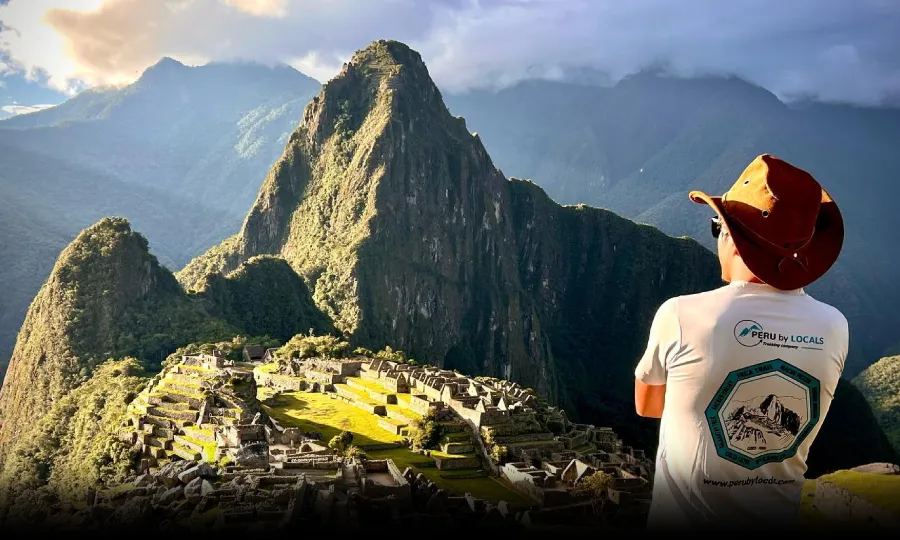
Planning a journey to Machu Picchu is a lifelong dream for millions of global travelers. Perched dramatically between lush Andean peaks and the swirling cloud forest of the Urubamba Valley, this 15th-century Inca citadel—crowned as one of the New Seven Wonders of the World—radiates an unmatched aura of architectural genius and mystical grandeur.
However, navigating a trip to Machu Picchu in 2026 requires careful preparation. With strict government visitor quotas, updated circuit regulations (Circuits 1, 2, and 3), mandatory train schedules, and environmental rules prohibiting single-use plastics, traveling without insider knowledge can lead to missed permits and unnecessary stress.
At Peru by Locals, our veteran Quechua guides have led travelers through the Sacred Valley and Machu Picchu for over two decades. Below, we share the 10 essential tips for visiting Machu Picchu in 2026 to ensure your journey is seamless, breathtaking, and utterly unforgettable!
The Golden Rule for 2026: Machu Picchu ticket circuits are now strictly regulated with one-way directional routes. If you miss a landmark or pass through a turnstile, you cannot backtrack or re-enter! Furthermore, there are zero restrooms inside the citadel. Make sure you use the facilities outside the main entrance gates (cost S/. 2) right before entering your circuit, and ensure you have booked Circuit 2 if you want the classic postcard panorama and the deepest exploration of the urban sector.
- 1. Purchase Your Entrance Tickets & Circuit Months Ahead
- 2. Choose the Ideal Season: Dry, Shoulder, or Rainy?
- 3. Master Your Daypack: Mandatory Sanctuary Rules & Gear
- 4. Stay Overnight in Aguas Calientes Instead of Rushing
- 5. Where to Stay: Hotels for Every Travel Style
- 6. Beat the Midday Crowds: The Best Daily Entry Shifts
- 7. Savor Andean Gastronomy: Best Restaurants in Town
- 8. Safety, Cash Needs & Emergency Numbers in Peru
- 9. Invest in Comprehensive High-Altitude Travel Insurance
- 10. Altitude Acclimatization & Wellness Strategies
- Summary: Useful Machu Picchu Travel Matrix
- Frequently Asked Questions
1. Purchase Your Entrance Tickets & Circuit Months Ahead
The single most common mistake travelers make is postponing their Machu Picchu ticket purchase. The Peruvian Ministry of Culture enforces strict daily carrying capacities to protect the fragile stonework. During the peak dry season (May through September), tickets frequently sell out 3 to 4 months in advance.
In 2026, visitors must choose from specific, numbered circuits:
- Circuit 1 (Panoramic Circuit): Takes you to the classic upper terrace / Guardhouse vantage point for the iconic postcard overview and routes toward the Inca Bridge or Sun Gate (Inti Punku).
- Circuit 2 (Classic Circuit): The most comprehensive ticket! It includes both the upper terrace postcard viewpoint and the intimate labyrinth of the lower urban and religious sectors (Temple of the Sun, Sacred Plaza, Sacred Rock).
- Circuit 3 (Royalty Circuit): Focuses on the lower agricultural terraces, the Temple of the Condor, and serves as the mandatory access route for hikers climbing Huayna Picchu or Huchuy Picchu.
Where to book? You can reserve via the government platform (tuboleto.cultura.pe) or let Peru by Locals handle your entire logistics with our all-inclusive Machu Picchu Tour Packages or the scenic Sacred Valley & Machu Picchu 2D/1N Tour.
2. Choose the Ideal Season: Dry, Shoulder, or Rainy?
Machu Picchu sits at the meeting point of the high Andes and the Amazonian cloud forest, giving it a subtropical highland climate. Choosing when to visit depends on your preferences for weather versus solitude:
Dry Season (May – October)
Conditions: Crisp sunny days, clear blue skies, minimal rainfall, and cool evenings. This is the prime window for photography and mountain hiking.
Trade-off: Highest tourist volumes and peak accommodation rates. Book everything months ahead.
Shoulder Months (April & November)
Conditions: Excellent sweet spot! Moderate temperatures, emerald green vegetation, occasional afternoon showers, and noticeably thinner crowds.
Recommendation: Highly favored by experienced hikers seeking tranquility.
Rainy Season (December – March)
Conditions: Frequent morning or afternoon downpours, swirling mist that creates a dramatic, mystical atmosphere, and lush floral blooms.
Advantage: Lower prices and peaceful grounds. Note: The Classic Inca Trail closes for maintenance during all of February.
3. Master Your Daypack: Mandatory Sanctuary Rules & Gear
The National Park Service (SERNANP) enforces strict regulations at the citadel gates. Before packing your daypack, keep these non-negotiable rules in mind:
- Bag Size Limit: Daypacks must not exceed 40 x 35 x 20 cm (approx. 20–25 liters). If your bag is too bulky, you will be required to check it in the luggage storage lockers outside the gate (S/. 5 fee).
- No Single-Use Plastics: Disposable plastic water bottles and plastic snack wrappers are strictly prohibited. Always carry a reusable aluminum or BPA-free hydration bottle (Nalgene or CamelBak).
- No Tripods, Drones, or Selfie Sticks: Professional camera rigs, stabilization gimbals, drones, and selfie sticks are barred to protect visitor flow and preservation.
- Walking Stick Restrictions: Trekking poles are only permitted for elderly or mobility-impaired visitors, and they must have rubber tips attached to safeguard stone stairs. Read our guide on Safe & Effective Trekking Pole Use.
- Must-Pack Essentials: Broad-spectrum SPF 50+ sunscreen, insect repellent (citrus-based or 30% DEET for cloud forest midges), breathable rain jacket, sturdy broken-in walking shoes with grip, power bank, and your original passport. For a comprehensive breakdown, review our Complete Machu Picchu Packing List.
4. Stay Overnight in Aguas Calientes Instead of Rushing
While it is technically possible to do a whirlwind day trip from Cusco (departing by van at 4:00 AM, catching a 2-hour train from Ollantaytambo, touring the ruins mid-day, and returning late at night), we strongly advise spending at least one night in Aguas Calientes (Machu Picchu Pueblo).
An overnight stay lets you:
- Rest properly and adjust to the lower, oxygen-rich elevation (2,040 meters / 6,692 ft).
- Catch the earliest shuttle bus up the mountain at 5:30 AM to enter the citadel at the magical 6:00 AM sunrise slot.
- Climb Huayna Picchu or Machu Picchu Mountain without rushing to catch a return train.
- Unwind in the town's natural thermal hot springs after hours on your feet.
5. Where to Stay: Hotels for Every Travel Style
Aguas Calientes caters to every budget level, from luxury sanctuaries nestled into the cloud forest to charming boutique riverside lodges:
- Ultra-Luxury: Belmond Sanctuary Lodge is the only hotel located directly beside the citadel gates—allowing you to stroll into the ruins before anyone else. Inkaterra Machu Picchu Pueblo Hotel offers luxury stone casitas set within a private 12-acre cloud forest reserve teeming with orchids and hummingbirds.
- Mid-Range & Boutique: Tierra Viva Machu Picchu, Casa Andina Standard, and El MaPi by Inkaterra provide comfortable contemporary rooms, hot showers, and hearty buffet breakfasts designed for early risers.
- Budget & Backpacker: Supertramp Hostel and Nativus Machu Picchu offer clean, friendly dorms and private rooms right near the train station with social atmospheres and luggage storage.
6. Beat the Midday Crowds: The Best Daily Entry Shifts
The heaviest tourist bottleneck occurs between 10:00 AM and 2:00 PM, when thousands of day-trippers arrive on morning trains from Cusco and Ollantaytambo. If you want a more intimate encounter with the citadel:
- Early Morning Shift (6:00 AM – 8:00 AM): Experience the morning mist lifting off Huayna Picchu, cool temperatures, and the quietest atmosphere.
- Afternoon Shift (2:00 PM – 4:00 PM): As morning crowds head down to catch the 3:00 PM trains back to the Sacred Valley, the stone terraces empty out. The late afternoon "golden hour" offers sublime, warm lighting for landscape photography.
7. Savor Andean Gastronomy: Best Restaurants in Town
Fueling your body with authentic, wholesome Peruvian cuisine is part of the magic. While Aguas Calientes has plenty of generic pizza joints, several dining rooms stand out:
- Indio Feliz: A legendary colorful French-Peruvian bistro serving tarte tatin, fresh trout ceviche, and hearty river fish baked with Andean herbs.
- Chullpi Machu Picchu: Celebrated for refined, contemporary Peruvian gastronomy emphasizing native tubers, duck breast, and alpaca loin.
- Tinkuy Restaurant (Belmond): The upscale buffet located right outside the ruins gate—ideal for an energetic lunch immediately after exiting your morning circuit.
- La Boulangerie de Paris: Located along the river path, offering espresso, freshly baked croissants, quiches, and sandwiches to pack for your journey.
8. Safety, Cash Needs & Emergency Numbers in Peru
Machu Picchu and Aguas Calientes are exceptionally peaceful, with a dedicated tourist police force. Nevertheless, basic travel street-smarts apply:
- Watch Your Step: The ancient stone staircases have no guardrails in many sections. After morning rain or mist, polished stones become slippery. Wear boots or trail runners with deep lug traction.
- Carry Physical Cash in Soles: Many small cafes, market stalls, public restrooms, and luggage storage spots do not take international credit cards or add 5–7% card surcharges. Carry S/. 100 to S/. 200 in small denominations (10, 20 soles).
- Key Emergency Hotlines:
- National Police (Policía Nacional): 105
- Tourist Police (POLTUR Cusco): +51 84 249769
- Fire Department (Bomberos): 116
- Medical Ambulance (SAMU): 106
9. Invest in Comprehensive High-Altitude Travel Insurance
Because Machu Picchu is nestled deep in rugged mountain terrain accessible only by rail or foot, unexpected events can happen—such as seasonal landslides, train schedule delays, or sudden altitude illness.
Ensure your policy includes:
- Medical evacuation coverage up to 4,500 meters (vital if you are also hiking the Classic Inca Trail or Alternative Treks like Salkantay).
- Trip interruption, cancellation, and missed transit connection protection.
- Coverage for adventure trekking activities and high-altitude hiking.
10. Altitude Acclimatization & Wellness Strategies
Interestingly, Machu Picchu sits at 2,430 meters (7,972 feet)—which is nearly 1,000 meters lower than the city of Cusco (3,400 meters / 11,150 feet)! However, since virtually all travelers fly into Cusco first, altitude sickness (*soroche*) is a real threat if you do not pace yourself.
Acclimatization Game Plan: Spend your first 1–2 days resting in Cusco or head immediately down to the Sacred Valley of the Incas (Urubamba or Ollantaytambo at ~2,800m), which has richer oxygen levels. Drink plenty of water, sip traditional coca tea in the morning, avoid heavy alcoholic beverages and greasy meals for the first 48 hours, and consider carrying Acetazolamide (Diamox). Explore our in-depth medical guide on High Altitude Sickness in Peru.
Summary: Useful Machu Picchu Travel Matrix
Here is a quick-reference logistical snapshot for planning your 2026 visit:
| Planning Aspect | Essential Information (2026 Season) | Insider Local Recommendation |
|---|---|---|
| Best Months to Visit | May to October (Dry season) | Choose April or November to avoid heavy mid-year crowds |
| Operating Hours | Daily from 6:00 AM to 5:30 PM (Last entry at 4:00 PM) | Book either 6:00–7:00 AM slot or 2:00–3:00 PM slot |
| Average Tour Duration | 2.5 to 3.5 hours inside your circuit | Do not rush; follow the one-way markers carefully |
| Entry Requirements | Original Physical Passport + Timed Entry Ticket | Photos/copies are rejected; keep passport in waterproof pouch |
| Citadel Elevation | 2,430 m / 7,972 ft (Lower than Cusco) | Acclimatize in the Sacred Valley first if sensitive to altitude |
| Transit from Cusco | Bimodal bus + train via Ollantaytambo (3.5–4 hrs) | Spend the night in Aguas Calientes to tour at sunrise |
| Restroom Access | Outside the main gate turnstiles only (S/. 2 fee) | Use the bathroom BEFORE entering your circuit (no re-entry!) |
| Local Currency | Peruvian Sol (PEN / S/.) & US Dollars ($) | Bring small cash notes (S/. 10, 20) for bathrooms and small cafes |
| Guide Requirement | Licensed guide recommended for all circuits | Hiring a local Quechua guide brings the ruins' history to life |
Frequently Asked Questions About Visiting Machu Picchu
We strongly recommend purchasing tickets at least 3 to 4 months in advance, especially if you plan to visit during the dry season (May to September) or wish to hike Huayna Picchu, which has strictly capped daily permits and often sells out months ahead.
For first-time visitors seeking the iconic postcard panorama and a thorough exploration of the urban sector, Circuit 2 (Classic Circuit) or Circuit 1 (Panoramic) are the most recommended. If you want to summit Huayna Picchu or Huchuy Picchu, you must book Circuit 3 (Royalty Circuit).
No. There are absolutely no bathrooms inside the archaeological sanctuary. Restrooms are located exclusively outside the main entrance gates next to the turnstiles (cost is S/. 2 soles). Once you enter your circuit, you cannot exit to use the bathroom and re-enter.
Yes, a day trip is possible via early morning train from Ollantaytambo or Poroy, taking approximately 3.5 to 4 hours each way. However, spending a night in Aguas Calientes allows you to enter the citadel at sunrise (6:00 AM) or mid-afternoon with far fewer crowds and zero travel rush.
Prohibited items include: single-use plastic bottles, tripods, selfie sticks, drones, metal-tipped hiking poles (only poles with protective rubber tips are allowed for elderly or disabled hikers), backpacks larger than 40x35x20 cm, and banners or musical instruments.
With these 10 insider recommendations, you are ready to experience one of humanity's greatest architectural masterpieces with complete peace of mind. Whether you want to hike the Classic 4-Day Inca Trail, conquer the Short 2-Day Inca Trail, or travel in luxury on our Machu Picchu Tour Packages, Peru by Locals is here to create your dream Andean itinerary.


