
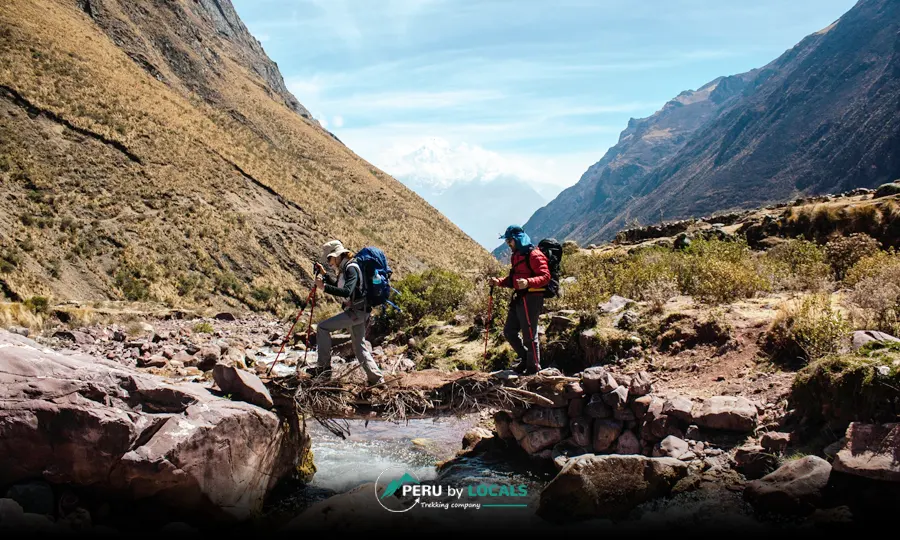
If you are planning an expedition to the Peruvian Andes, choosing the best trek in Cusco is the single most important decision of your itinerary. As the ancient capital of the Inca Empire, Cusco is universally celebrated as the trekking epicenter of South America. Flanked by glaciated 6,000-meter peaks, pristine turquoise alpine lagoons, sacred river canyons, and stone-paved highways leading to Machu Picchu, the region offers a dazzling variety of trails. But with world-famous options ranging from the Classic Inca Trail and Salkantay Trek to the remote solitude of Choquequirao and Ausangate, how do you decide which route matches your fitness level, travel goals, and personal spirit?
In this definitive 2027 comparative guide, our native mountain experts at Peru by Locals break down Cusco’s top trekking routes by traveler persona—from beginners and landscape photographers to hardcore wilderness seekers. Compare elevation profiles, permit logistics, cultural depths, and scenic highlights to discover the exact journey that speaks to your heart.
There is No "Single Best" Trek—Only the Best Trek for You: The greatest mistake hikers make is picking a route based solely on Instagram popularity or a friend’s recommendation. A seasoned trail runner seeking rugged isolation will find the regulated stone stairs of the Inca Trail crowded, while a history lover might miss the deep archaeology on the wild ridges of Ausangate. Be honest about your fitness, your comfort with primitive wilderness camping, and what inspires you most!
- Why Cusco is the Trekking Capital of South America
- How to Choose: The 5 Essential Decision Factors
- 1. Best Treks for Beginners & Time-Limited Hikers
- 2. Best Treks for Photographers & Scenery Lovers
- 3. Best Treks for Adventurers & Wilderness Explorers
- Master Comparison Table of All Cusco Treks
- Understanding Altitude & Acclimatization Strategy
- Seasonality: Dry Season vs. Rainy Season in Cusco
- Independent vs. Guided Trekking with Peru by Locals
- Eco-Friendly Trekking: Respecting Pachamama
- Interactive Trek Finder Checklist
- Frequently Asked Questions (FAQs)
- Conclusion & Booking Your Ideal Trek
Why Cusco is the Trekking Capital of South America
Nestled high in the southern Peruvian Andes at 3,400 meters (11,150 feet), Cusco is far more than a colonial destination; it was the sacred navel (Qosqo) of the Tawantinsuyu. Here is why thousands of global adventurers lace up their boots in Cusco every season:
- Unrivaled Ecological Diversity: In a single 4-day hike, you can traverse arid highland valleys, climb past glaciated moraines over 4,600 meters, and descend into subtropical cloud forests blooming with wild orchids and bromeliads.
- Living Archaeological Highways: Many routes trace original stone pathways engineered by the Incas along the royal Qhapaq Ñan, passing checkpoints, ceremonial baths, and fortified citadel complexes.
- The Ultimate Grand Finale: Several of the region's premier multi-day routes culminate directly at the Lost Citadel of Machu Picchu, delivering a profound sense of pilgrimage that train travelers never experience.
- Living Indigenous Heritage: Treks pass through traditional Quechua-speaking hamlets where alpaca herders and master textile weavers maintain ancient ancestral customs.
How to Choose: The 5 Essential Decision Factors
Before reviewing individual trails, ask yourself these five critical questions:
- What is your realistic fitness level? Can you comfortably hike 6 to 8 hours daily over steep, rocky mountain passes with a daypack?
- How many days do you have available? Do you need a 1–2 day introductory hike or a 5–9 day immersive expedition?
- Do you prioritize history or pure wilderness? Are you eager to explore Inca stone citadels, or do you crave solitary glacier peaks, alpaca herds, and turquoise lakes?
- How comfortable are you with high altitude? Treks like Rainbow Mountain and Ausangate exceed 5,000 meters (16,400 ft), while the Inca Trail tops out at 4,215 meters.
- How do you feel about trail crowds? The Classic Inca Trail has daily permit quotas and structured campsites, while Choquequirao offers total solitude.
1. Best Treks for Beginners & Time-Limited Hikers
If you are new to multi-day hiking, traveling with active family members, or short on vacation days, these routes provide breathtaking Andean beauty without extreme physical strain:
A. Short Inca Trail (2 Days / 1 Night) – The Premier Compact Classic
The Short Inca Trail is hands-down the best option for hikers who want the magic of the royal Inca Trail without the exhaustion of four days of mountain camping. Starting at Kilometer 104, hikers trek approximately 12 kilometers (7.5 miles) through lush cloud forest, exploring the magnificent stepped ruins of Wiñay Wayna before hiking through the Sun Gate (Inti Punku) in the late afternoon.
- Difficulty: Moderate (one day of walking, roughly 6 hours).
- Max Altitude: 2,720 m (8,920 ft) at Sun Gate.
- Key Advantage: You sleep in a comfortable hotel in Aguas Calientes with a hot shower, then return to explore Machu Picchu early the next morning!
B. Lares Trek (3–4 Days) – The Cultural Textile Trek
Often called the "Weaver's Trail," the Lares Trek leads hikers through remote Quechua-speaking villages in the Sacred Valley high country. Rather than focusing exclusively on ruins, Lares immerses you in living Andean traditions. You’ll meet local alpaca farmers, soak in natural volcanic hot springs at Lares town, and cross scenic 4,400-meter passes before taking the train to Machu Picchu.
- Difficulty: Moderate.
- Best For: Culture enthusiasts, families, and travelers seeking gentle cultural encounters.
C. Huchuy Qosqo Trek (1–2 Days) – The Hidden Sacred Valley Balcony
Perched high on a natural cliff ledge overlooking the Sacred Valley, Huchuy Qosqo ("Little Cusco") is an astonishing royal estate built by Emperor Viracocha. Accessible via a gentle 1- or 2-day hike from Tambomachay or Chinchero, this route features flat Inca stone trails, canyon gorges, and breathtaking views of the snowcapped Urubamba range.
2. Best Treks for Photographers & Scenery Lovers
If your primary goal is capturing postcard-perfect landscapes, jaw-dropping geological colors, and dramatic alpine reflections, these hikes are visual paradise:
A. Rainbow Mountain & Red Valley (1 Day) – Geological Splendor
Vinicunca (Rainbow Mountain) has gained global fame for its vibrant mineral-striped ridges displaying 14 distinct geological strata. Paired with the otherworldly Martian landscape of the adjacent Red Valley, this high-altitude day hike offers surreal photographic opportunities.
- Difficulty: Moderate distance (3 hours hike round-trip), but very high elevation (5,036 m / 16,520 ft).
- Pro Tip: Join Peru by Locals' early-departure Rainbow Mountain tour to reach the summit before the crowded tourist buses arrive!
B. Ausangate Trek (5–6 Days) – The Sacred Alpine Wilderness
Circling the mighty snowbound massif of Mount Ausangate (6,384 m / 20,945 ft)—the most sacred Apu in southern Peru—this high-altitude circuit is widely considered the most visually spectacular trek in the Americas. You will hike alongside luminous turquoise and emerald glacier lakes, observe thousands of grazing alpacas and vicuñas, cross crimson valleys, and marvel at hanging icefalls.
- Difficulty: Strenuous (all campsites exceed 4,200m; multiple passes over 5,000m).
- Check It Out: Explore our Ausangate & Rainbow Mountain Treks.
C. Classic Inca Trail (4 Days / 3 Nights) – The World-Famous Masterpiece
The legendary Classic 4-Day Inca Trail combines monumental archaeology with mist-shrouded cloud forests. Passing through ancient citadels like Patallacta, Runkurakay, Sayacmarca, Phuyupatamarca, and Wiñay Wayna, every bend in the stone path reveals breathtaking photographic compositions of jagged Andean peaks.
3. Best Treks for Adventurers & Wilderness Explorers
If you thrive on intense vertical climbs, deep canyon solitude, and challenging terrain far off the beaten track, these expeditions deliver the ultimate adrenaline rush:
A. Salkantay Trek (5 Days / 4 Nights) – The High-Altitude Multi-Ecosystem Epic
Named by National Geographic as one of the Top 25 Treks in the World, the Salkantay Trek is the ultimate alternative to the Classic Inca Trail. Beginning beneath the staggering glacial walls of Mount Salkantay (6,271 m), you visit the electric-blue waters of Lake Humantay, conquer the 4,630-meter Salkantay Pass, and plunge directly down into lush subtropical coffee, passionfruit, and banana plantations before reaching Aguas Calientes and Machu Picchu.
- Key Advantage: No government permit quotas! Highly available year-round.
- Detailed Comparison: Read our in-depth Salkantay Trek vs. Inca Trail comparison.
B. Choquequirao Trek (4 to 9 Days) – The Lost Sister of Machu Picchu
Perched dramatically above the roaring Apurímac River Canyon, Choquequirao is an enormous Inca stone citadel twice the size of Machu Picchu, yet only 30% excavated. With zero road or train access, the only way to reach it is via a punishing, knee-jarring descent into the canyon followed by a grueling 1,500-meter climb. The reward? Total solitude. On any given afternoon, you might share this colossal royal citadel with fewer than ten other adventurers.
- Difficulty: Very Strenuous.
- Learn More: Explore our Choquequirao 5D Trek and Choquequirao to Machu Picchu 9D Grand Expedition.
C. Ancascocha Trek (5 Days) – The Untouched Hidden Gem
Ranked by National Geographic as a premier dream trail, the Ancascocha Trek (Quarry Trail) crosses the dramatic Soqma waterfall, ancient pre-Inca ruins, crystal-clear high-altitude lakes, and soaring Andean passes before connecting to the train to Machu Picchu. It is the perfect choice for experienced trekkers who want silence, high alpine grandeur, and zero crowds.
Master Comparison Table: All Cusco Treks at a Glance
| Trek Name | Duration | Difficulty | Max Altitude | Permits Needed? | Ends at Machu Picchu? | Best Traveler Profile |
|---|---|---|---|---|---|---|
| Short Inca Trail | 2 Days / 1 Night | Moderate | 2,720 m (8,920 ft) | Yes (Permits limited) | Yes (via Sun Gate) | Beginners, families, limited time |
| Classic Inca Trail | 4 Days / 3 Nights | Moderate to Challenging | 4,215 m (13,828 ft) | Yes (Strict 500/day limit) | Yes (via Sun Gate) | History lovers, iconic bucket-listers |
| Salkantay Trek | 5 Days / 4 Nights | Challenging | 4,630 m (15,190 ft) | No (Flexible booking) | Yes (Aguas Calientes base) | Adventurers, multi-ecosystem lovers |
| Choquequirao Trek | 4 to 9 Days | Very Strenuous | 3,050 m – 4,400 m | No | Optional (in 9D route) | Hardcore hikers seeking raw solitude |
| Ausangate Circuit | 5 to 6 Days | Very Strenuous | 5,120 m (16,800 ft) | No | No (Circuit trek) | Landscape photographers, alpine lovers |
| Rainbow Mountain | 1 Day | Moderate+ | 5,036 m (16,520 ft) | No | No (Day tour) | Photographers, short-stay visitors |
| Lares Trek | 3 to 4 Days | Moderate | 4,450 m (14,600 ft) | No | Yes (via train) | Cultural seekers, families, hot springs |
| Huchuy Qosqo | 1 to 2 Days | Easy to Moderate | 4,100 m (13,450 ft) | No | Optional (via train) | First-timers, acclimatization hikes |
Understanding Altitude & Acclimatization Strategy
Altitude is the supreme equalizer in the Andes. Regardless of your physical stamina, rapid ascent into thin mountain air can trigger soroche (altitude sickness). To ensure your body adapts gracefully:
- Spend 48 to 72 hours in Cusco (3,400m) or the Sacred Valley (2,800m) prior to starting any trek.
- Test your lungs on a gentle day hike: Take a warm-up stroll around Cusco’s archaeological ruins or book our Cusco City Tour.
- Hydrate with electrolytes and herbal teas: Drink 3–4 liters of fluids daily. Sip traditional coca tea in the morning and muña tea in the evening.
- Read our expert guide: Review our Top Mistakes on the Inca Trail to avoid rookie missteps.
Seasonality: Dry Season vs. Rainy Season in Cusco
The climate in Cusco is divided into two distinct meteorological seasons, each offering a unique atmosphere for trekking:
Crisp, cloudless blue skies, dry trails, and magnificent panoramic mountain visibility. Daytime temperatures reach comfortable highs of 18°C–20°C (64°F–68°F), though nighttime temperatures regularly plummet below freezing (0°C to -4°C / 32°F–25°F) at high alpine campsites. This is peak trekking season, so booking your permits 4 to 6 months in advance is essential.
Vibrant green hillsides, blooming orchids, warmer nighttime temperatures, and significantly fewer tourists on the trails. Afternoon downpours are common, especially from January through March. Note: The Classic Inca Trail is completely closed during February for annual conservation and maintenance, though alternative treks like Salkantay and Lares remain open (weather permitting).
Independent vs. Guided Trekking with Peru by Locals
While casual day walks around Cusco can be enjoyed independently, joining an authorized, locally owned company like Peru by Locals transforms a multi-day high-mountain trek from a stressful logistical puzzle into a sublime, stress-free adventure:
- Wilderness Safety & Emergency Oxygen: Our licensed mountain guides carry medical oxygen tanks, pulse oximeters, and comprehensive trauma first-aid kits on every departure.
- Gourmet Mountain Nutrition: Enjoy three hot, chef-prepared meals daily made from fresh local Andean ingredients (quinoa, rainbow trout, fresh vegetables, alpaca cuts) to fuel your climbing stamina.
- Ethical Porter Welfare: We guarantee fair living wages, warm high-mountain clothing, nutritious meals, insurance, and strict enforcement of legal load limits for our hardworking Quechua porters.
- Deep Cultural Storytelling: Learn the sacred mythology, flora, fauna, and astronomical alignments of the trails directly from native guides born and raised in indigenous Andean communities.
Eco-Friendly Trekking: Respecting Pachamama
The Andes are living, sacred spaces to local Quechua communities. When trekking in Cusco, always honor the following Leave No Trace guidelines:
- Zero Single-Use Plastics: Carry durable, reusable water bottles (Nalgene) or a hydration bladder. Single-use plastic bottles are legally banned at Inca Trail checkpoints.
- Pack It In, Pack It Out: Never discard food wrappers, fruit peels, or wet wipes on the trail. Organic waste does not decompose quickly in cold alpine climates.
- Preserve Ancient Masonry: Never climb, lean upon, or touch delicate Inca stonework.
- Support Local Communities: Purchase handcrafted textiles and organic snacks directly from indigenous community artisans along the trail.
Interactive Trek Finder Checklist
Use this interactive decision checklist to narrow down your preferences and find your perfect Cusco trek:
| Select | Your Travel Preference | Recommended Trek | Why It Fits |
|---|---|---|---|
| Classic Inca Trail 4D | The only trek that allows you to walk directly into Machu Picchu at sunrise | ||
| Salkantay Trek 5D | National Geographic Top 25; stunning glacial lakes, coffee valleys & Machu Picchu | ||
| Short Inca Trail 2D | One day of scenic hiking, Sun Gate arrival, plus hotel comfort in Aguas Calientes | ||
| Choquequirao Trek 5D | Twice the size of Machu Picchu with fewer than 20 visitors per day | ||
| Ausangate Circuit 5D | Pure high-altitude wilderness, colored valleys, and dramatic glacier reflections | ||
| Lares Trek 4D | Rich cultural immersion through traditional Quechua textile hamlets |
Frequently Asked Questions (FAQs)
Which is the absolute best trek in Cusco overall?
It depends on your travel goals! For history and arriving on foot directly through the Sun Gate to Machu Picchu, the Classic Inca Trail 4D/3N is unrivaled. For breathtaking glacial landscapes and varied ecosystems, the Salkantay Trek 5D/4N is the top alternative. For rugged isolation without crowds, Choquequirao (5–9 days) and the Ausangate Circuit (5–6 days) are the ultimate wilderness adventures.
Which trek in Cusco is best for beginners or families?
The Short Inca Trail (2 Days / 1 Night) and the Huchuy Qosqo Trek (1–2 Days) are the best options for beginners. The Short Inca Trail covers roughly 12 km (7.5 miles) on moderate slopes, visiting the stunning Wiñay Wayna ruins and ending at the Sun Gate overlooking Machu Picchu, with overnight hotel comfort in Aguas Calientes.
What is the most difficult and challenging trek in Cusco?
The Choquequirao to Machu Picchu Trek (9 Days) and the high-alpine Ausangate Circuit (5–6 Days) are widely considered the toughest treks. They feature relentless vertical descents and ascents into the Apurímac Canyon or multiple mountain passes exceeding 5,000 meters (16,400 feet) above sea level, demanding strong physical conditioning.
Which trek should I choose if Inca Trail permits are completely sold out?
The Salkantay Trek 5D/4N is the premier alternative to the Inca Trail. Ranked among National Geographic's Top 25 Treks in the World, it requires no restrictive government permits, visits turquoise alpine lakes (Humantay), traverses the 4,630m Salkantay Pass, descends into coffee plantations, and finishes at Machu Picchu.
Do all multi-day treks in Cusco end at Machu Picchu?
No. Treks like the Classic Inca Trail, Short Inca Trail, Salkantay Trek, and Ancascocha Quarry Trail lead directly to Machu Picchu. Conversely, high-altitude circuits like the Ausangate Trek and Rainbow Mountain stay deep in the Vilcanota mountain range and do not connect to Machu Picchu (though travelers frequently add a train day-trip to Machu Picchu afterward).
When is the best time of year to trek in the Cusco region?
The Andean dry season from May to October offers the clearest skies, stable weather, and optimal trail conditions. Shoulder months like April and October are also excellent for lower trail traffic and lush scenery. Peak rainy season runs from December through March.
Can I hike these trails independently without a guide?
Only the Classic and Short Inca Trails legally mandate a licensed tour operator and guide. However, for remote high-altitude routes like Salkantay, Choquequirao, and Ausangate, traveling with a certified local guide from Peru by Locals is strongly advised due to unpredictable weather, emergency oxygen needs, route finding, and camp logistics.
Conclusion & Booking with Peru by Locals
Cusco is a kingdom of legendary trails where every path leads through breathtaking mountain cathedrals, forgotten stone citadels, and the living warmth of Andean hospitality. Whether your heart yearns for the sacred stones of the Classic Inca Trail, the glacial drama of Salkantay, or the wild solitude of Choquequirao, there is an ideal trek waiting to welcome your footsteps.
As a 100% locally owned Cusco company founded and operated by certified indigenous guides, Peru by Locals is dedicated to crafting safe, ethical, and deeply inspiring mountain adventures. Let our local family guide yours—contact us today to start planning the trek of a lifetime!

Contact our travel specialist Jose Condor
"With my experience and passion for tourism, I will guide you to discover the unique attractions of Cusco, helping you plan an unforgettable vacation full of history and adventure."
Call me: +51 989 585 967


