
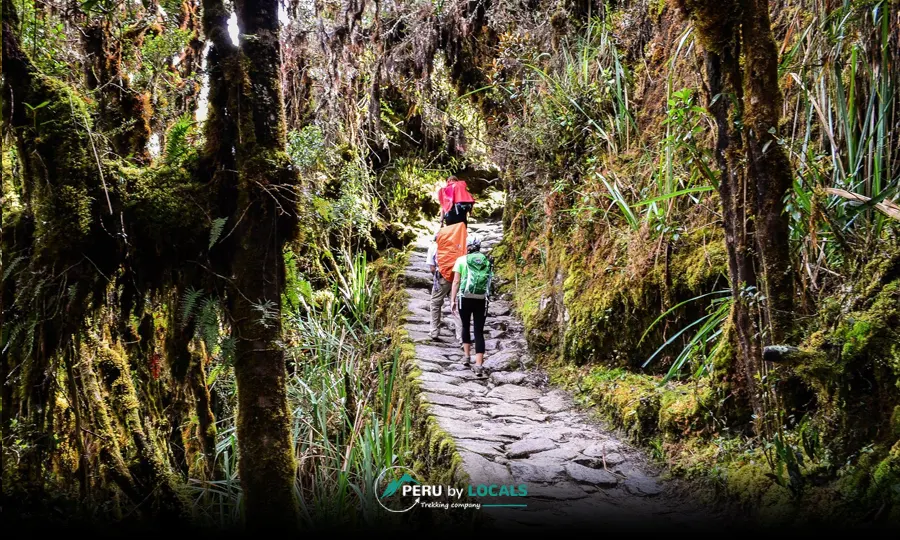
Hiking the Inca Trail is a bucket-list pilgrimage that blends rigorous physical exertion, ancient Andean spirituality, and breathtaking biodiversity into a four-day journey across the Peruvian Andes. Crossing high alpine passes, traversing cloud forests draped in orchids, and arriving at the Sun Gate (Inti Punku) as dawn breaks over Machu Picchu is a life-defining achievement. However, without meticulous preparation, this dream expedition can quickly unravel into an exhausting ordeal. From crippling altitude sickness and agonizing footwear blisters to permit deadlines and packing missteps, even seasoned adventurers fall into preventable traps. In this comprehensive guide, our native guides at Peru by Locals reveal the top 10 common mistakes on the Inca Trail—and provide actionable, field-tested advice to make your journey safe, smooth, and unforgettable.
The Golden Rule of the Inca Trail: Over 15 years of guiding thousands of hikers along the royal Qhapaq Ñan, I have witnessed one undeniable truth: the trail does not test your ego; it tests your preparation. Those who respect the altitude, train on stairs beforehand, break in their boots, and travel with humble curiosity always have the time of their lives!
Experience the Magic: Inca Trail Video Showcase
Before diving into the detailed pitfalls, watch this breathtaking footage capturing travelers along the legendary Classic Inca Trail to Machu Picchu 4D/3N with Peru by Locals. From mist-shrouded Inca citadels to camaraderie at sunset camps, witness what makes this ancient highway the most iconic trek in the Americas:
- Mistake 1: Underestimating the Physical Demands & Endless Stone Stairs
- Mistake 2: Neglecting Altitude Acclimatization in Cusco
- Mistake 3: Choosing Inappropriate Gear & Unbroken-in Footwear
- Mistake 4: Booking Permits Too Late (The 500-Per-Day Limit)
- Mistake 5: Ignoring Unpredictable Andean Weather & Microclimates
- Mistake 6: Inadequate Nutrition, Electrolytes & Trail Hydration
- Mistake 7: Hiring an Unlicensed or Low-Budget Operator
- Mistake 8: Disrespecting Cultural Heritage & Environmental Regulations
- Mistake 9: Failing to Train Mentally for Mountain Fatigue
- Mistake 10: Overpacking or Underpacking Your Duffel & Daypack
- Mistakes vs. Smart Solutions Matrix
- Interactive Pre-Trek Readiness Checklist
- Frequently Asked Questions (FAQs)
- Conclusion & Booking with Peru by Locals
1. Underestimating the Physical Demands & Endless Stone Stairs
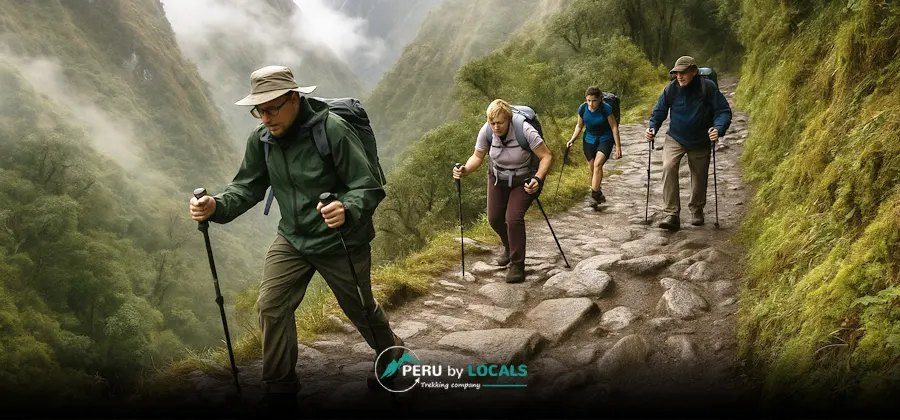
Perhaps the most common error among first-time trekkers is assuming the Inca Trail is a picturesque, gentle nature stroll. In reality, the classic route covers 42 kilometers (26 miles) across severe mountain topography. You will ascend to Dead Woman's Pass (Warmiwañusqa) at 4,215 meters (13,828 feet) and conquer over 3,000 uneven, hand-chiseled stone steps going up, followed by 2,000 steep steps descending into the Pacaymayo Valley.
How to Prepare Smartly
- Start cardio & stamina training 8–12 weeks prior: Incorporate trail running, cycling, swimming, and stair-master sessions to build your aerobic threshold.
- Train on real stairs with a weighted backpack: Mimic trail conditions by climbing outdoor stairs or steep hiking trails carrying a 5–7 kg pack. Your quadriceps, calves, and stabilizing hip muscles will thank you.
- Leg strength conditioning: Add lunges, goblet squats, wall sits, and calf raises to your weekly fitness routine to bulletproof your knees for steep descents.
2. Neglecting Altitude Acclimatization in Cusco
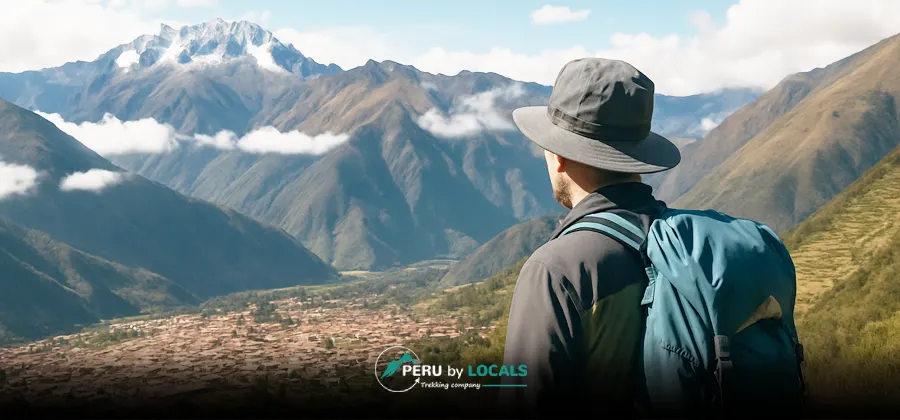
Arriving in Cusco (3,400 m / 11,150 ft) directly from sea level and starting the Inca Trail the very next morning is a recipe for medical evacuation. Acute Mountain Sickness (soroche) does not care how physically fit, young, or muscular you are. When oxygen levels drop to nearly 60% of sea-level density, rapid ascents trigger severe headaches, nausea, insomnia, dizziness, and debilitating lethargy.
How to Acclimatize Like a Pro
- Plan a minimum of 2 full acclimatization days (48–72 hours) in Cusco or the Sacred Valley: Relax on Day 1, then take a gentle walking tour like our Cusco City Tour or visit lower elevations in the Sacred Valley (2,800 m).
- Hydrate relentlessly: Drink 3 to 4 liters of water and electrolyte drinks per day. Avoid alcohol, caffeine, and heavy greasy foods during your first 48 hours at altitude.
- Sip traditional Andean herbal teas: Coca tea in the morning improves circulation, while muña tea in the evening relieves stomach tension.
- Consult your physician: Inquire about prophylactic medication such as Acetazolamide (Diamox) if you have experienced mountain sickness previously.
3. Choosing Inappropriate Gear & Unbroken-in Footwear
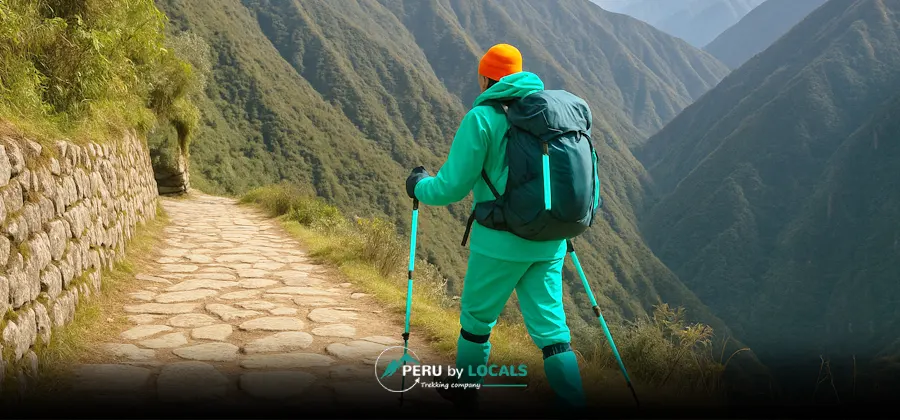
Few mistakes cause greater physical agony on the trail than wearing stiff, brand-new hiking boots straight out of the box or relying on flimsy fashion sneakers. Andean trails feature slick granite flagstones, morning dew, mud, and jagged gravel. Blisters formed on Day 1 will haunt every single step through Day 4.
Inca Trail Essential Gear Breakdown
| Gear Item | Common Mistake | Smart Expert Solution |
|---|---|---|
| Hiking Footwear | Wearing brand-new boots or flat running sneakers | Waterproof (Gore-Tex) mid-cut hiking boots, thoroughly broken-in with 50+ miles of pre-hikes. Pair with merino wool socks. |
| Daypack | Using a loose school backpack without a hip belt | A 25L–35L technical daypack with ergonomic padded hip straps to transfer 80% of weight to your pelvis, plus a built-in rain cover. |
| Trekking Poles | Hiking without poles or bringing metal tips | Two lightweight telescoping trekking poles. Mandatory: Rubber tips are legally required to prevent chipping Inca stonework. |
| Clothing Layers | Wearing heavy cotton jeans and sweatpants | 3-layer moisture-wicking technical system: synthetic/merino base layer, warm fleece mid-layer, and a waterproof/windproof shell jacket. |
4. Booking Permits Too Late (The 500-Per-Day Limit)
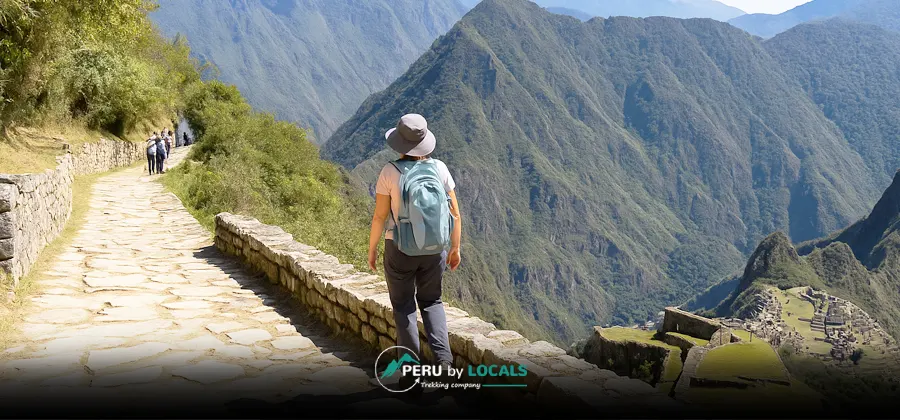
Unlike standard hiking trails around the globe, you cannot simply show up in Cusco, purchase a ticket at an entrance booth, and start hiking the Inca Trail. To protect the fragile archaeology and cloud forest ecology of the sanctuary, the Peruvian Ministry of Culture enforces a non-negotiable quota of 500 permits per day. Crucially, this 500-person quota includes guides, cooks, and porters—meaning only around 180 to 200 permits daily are available for international travelers!
Smart Booking Strategies
- Reserve 5 to 7 months in advance for peak season: Permits for May, June, July, and August frequently sell out within hours of release. Review our live Inca Trail availability calendar.
- Consider the shoulder seasons: April, September, and October offer lower crowds, stunning wildflowers, and better permit availability.
- Remember the February closure: The entire Classic Inca Trail is legally closed throughout the entire month of February every year for conservation, path maintenance, and deep ecological cleaning.
- Check alternative routes if permits sell out: If classic permits are gone, world-class alternatives like the Salkantay Trek 5D, the Choquequirao Trek, or the Short Inca Trail 2D offer spectacular alternatives.
5. Ignoring Unpredictable Andean Weather & Microclimates
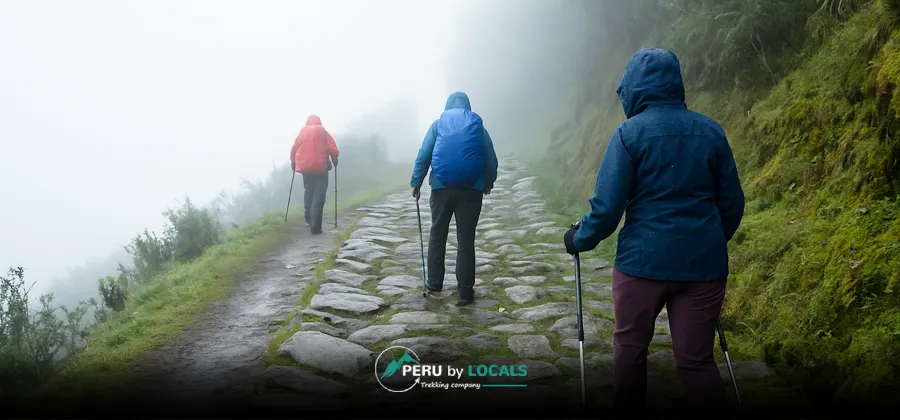
A widespread misconception is that Cusco's "dry season" (May–September) equals hot summer weather. While sunny afternoons can reach 20°C (68°F), nighttime camp temperatures at high elevations like Ayapata or Pacaymayo regularly plummet to -2°C to 2°C (28°F–35°F). Furthermore, the Inca Trail traverses distinct ecological life zones—from arid inter-Andean valleys and frosty alpine tundra to subtropical high jungle cloud forests where sudden torrential downpours can materialize in minutes.
How to Protect Yourself
- Embrace the 3-layer rule: Always carry a breathable rain shell and rain pants in your daypack, even under cloudless blue morning skies.
- Waterproof everything inside your pack: Never rely exclusively on your backpack's external rain cover. Line the interior of your daypack and duffel bag with heavy-duty dry sacks or thick contractor trash bags.
- Thermal nightwear: Bring thermal base layers, a fleece beanie, warm gloves, and thermal socks designated strictly for sleeping inside your sub-zero sleeping bag.
6. Inadequate Nutrition, Electrolytes & Trail Hydration
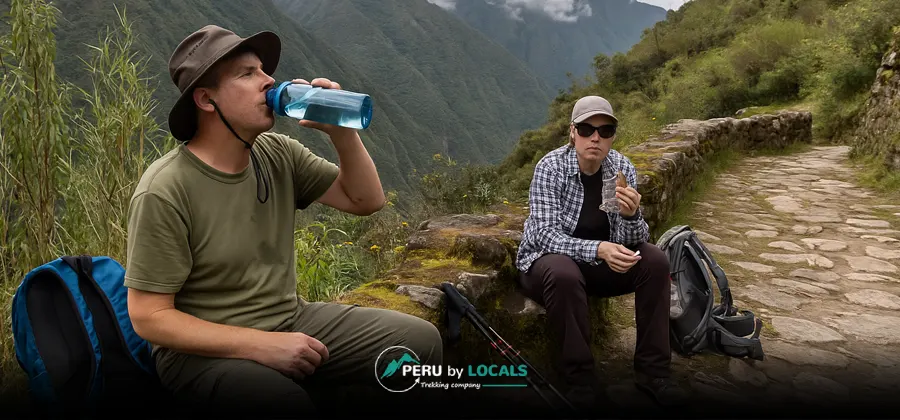
At high altitudes, your basal metabolic rate accelerates while your body burns calories at a rapid rate just breathing and maintaining body warmth. Simultaneously, altitude suppresses appetite. Trekkers who skip meals or fail to drink sufficient fluids quickly hit "the wall," suffering severe muscle cramps, fatigue, and low blood sugar.
Fueling for Success
- Drink at least 3 liters of water per day: At Peru by Locals, our trekking chefs boil and filter fresh mountain water every morning and at every meal checkpoint for guests. Carry a hydration bladder (Camelbak) plus a durable wide-mouth Nalgene bottle.
- Replenish electrolytes: Pure water is not enough; carry powdered electrolyte packets (Nuun, Liquid I.V.) to replace essential salts lost through sweat.
- Pack high-density pocket snacks: Keep almonds, dried mango, dark chocolate, and energy chews in your hip belt pockets for instant mid-climb boosts.
7. Hiring an Unlicensed or Low-Budget Operator
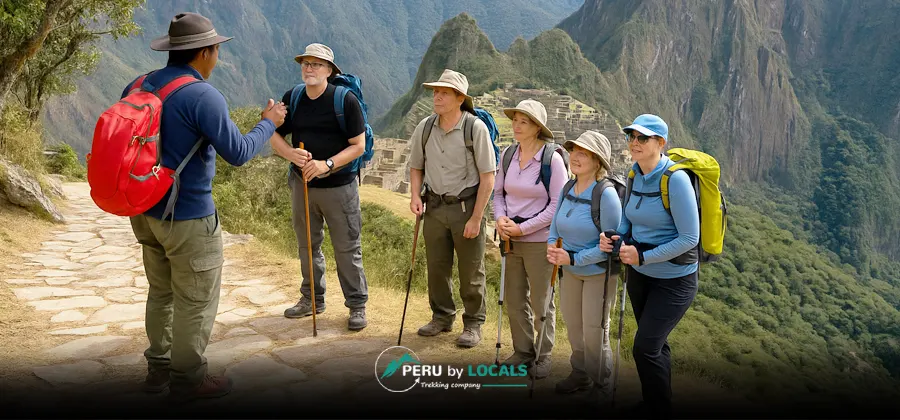
In the historic center of Cusco, numerous cheap agencies advertise cut-rate Inca Trail tours. Opting for rock-bottom prices often leads to disastrous consequences: overcrowding in large impersonal groups, substandard leaking tents, tasteless or unhygienic food leading to stomach parasites, lack of emergency oxygen, and worst of all, the unethical exploitation of indigenous porters who are underpaid, poorly fed, and overloaded beyond legal weight limits.
Why Local Operator Ethics Matter
By booking with a 100% locally owned, licensed operator like Peru by Locals, you receive:
- Certified wilderness guides: Native Quechua guides fluent in English and Runasimi, university-trained in Inca archaeology, flora, fauna, and wilderness first aid.
- Fair Porter Welfare: Fair living wages, warm high-mountain uniforms, nutritious meals, insurance, and strict enforcement of the 20 kg legal porter load limit.
- Gourmet Andean cuisine: Three hot chef-prepared meals daily featuring organic local quinoa, fresh vegetables, alpaca cuts, trout, and accommodations for vegan, vegetarian, and gluten-free diets.
- Comprehensive safety: Pulse oximeters, emergency medical oxygen tanks, and private radio communication on every departure.
8. Disrespecting Cultural Heritage & Environmental Regulations
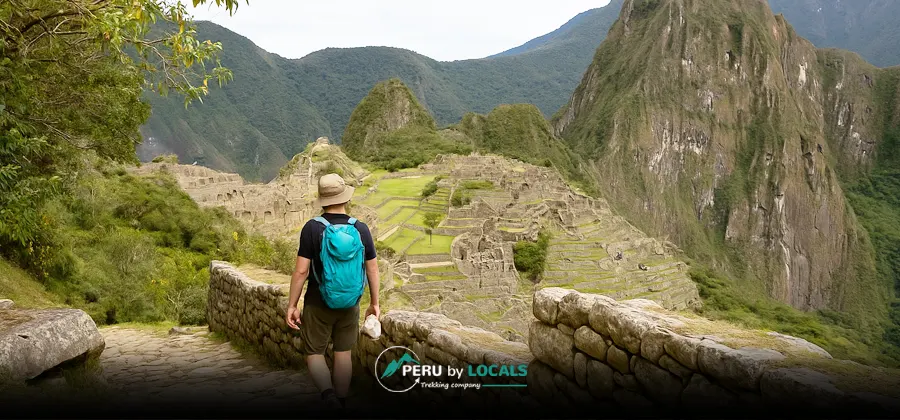
The Inca Trail is not simply a wilderness trail; it is a sacred outdoor museum protected within the 32,592-hectare Historic Sanctuary of Machu Picchu. Irresponsible behavior damages irreplaceable ruins and desecrates living indigenous culture.
Strict Regulations to Honor
- Never climb or sit on ancient stone walls: Inca masonry at sites like Runkurakay, Sayacmarca, and Wiñay Wayna has stood for over 500 years. Leaning or climbing on stones accelerates mortar degradation.
- Strict "Leave No Trace": Carry all trash out of the sanctuary. Single-use plastic bottles are legally banned at the checkpoints—use reusable bottles only.
- Respect native porters & communities: Treat the Quechua porters with the dignity and gratitude they deserve. Always ask permission before photographing local indigenous villagers or children.
9. Failing to Train Mentally for Mountain Fatigue
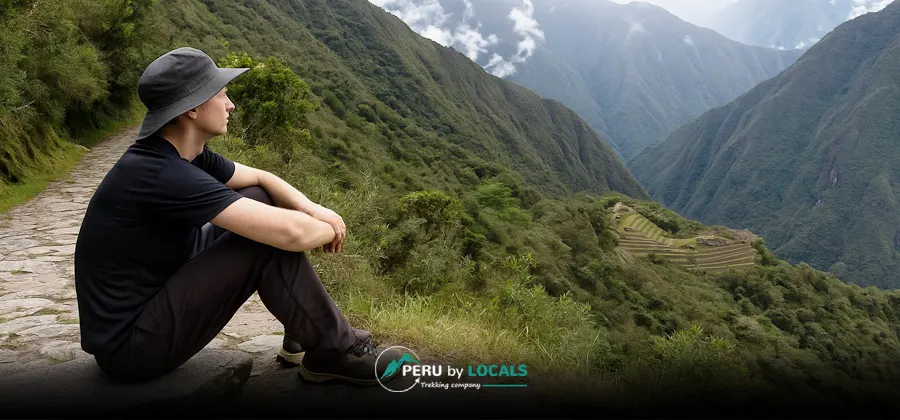
Hiking 6 to 9 hours a day at high elevation, sleeping in mountain tents, dealing with sore muscles, and waking up before sunrise can test your patience and resolve. Trekkers who expect modern luxury hotel conveniences often succumb to frustration.
Cultivating an Andean Explorer Mindset
- Embrace the challenge as part of the ritual: For the Incas, walking the royal road to Machu Picchu was a sacred pilgrimage requiring dedication and physical devotion.
- Practice mindfulness on the trail: When climbing steep steps, synchronize your breathing with your footsteps (inhale two steps, exhale two steps). Keep a steady, sustainable pace—the "Inca shuffle"—rather than sprinting and gasping for breath.
- Disconnect to reconnect: With virtually zero cellular reception along the trail, embrace the digital detox and connect with your fellow travelers and the majestic Andean wilderness.
10. Overpacking or Underpacking Your Duffel & Daypack
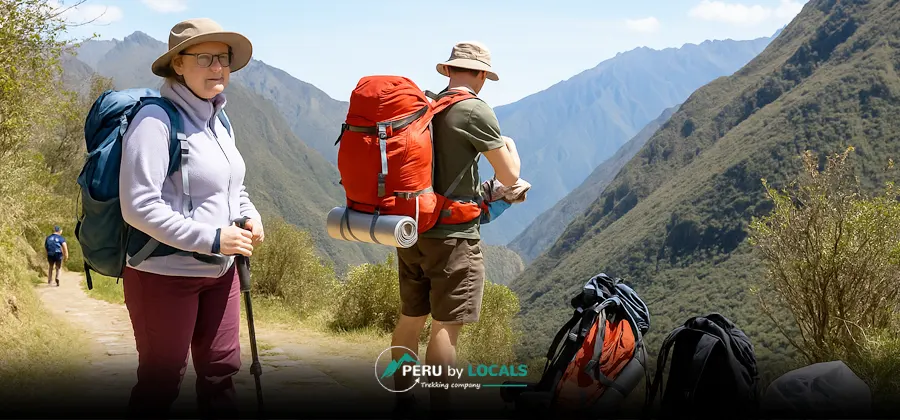
Packing balance is an art form. Overpack, and your daypack will crush your shoulders while your duffel bag exceeds the legal weight limit. Underpack, and you will shiver in cold wet clothing at night without proper thermal protection.
The Porter Duffel Bag Weight Limit
Peruvian law protects porters by restricting personal weight allowances. Peru by Locals provides each hiker with a durable duffel bag carried by our porters, with a strict maximum weight of 6 kg to 7 kg (13 to 15 lbs). This weight includes your sleeping bag (approx. 2.5 kg) and sleeping mattress (approx. 1 kg), leaving about 3 to 3.5 kg for your spare clothes and personal toiletries.
- What stays in your hotel in Cusco: Large suitcases, rolling luggage, laptops, heavy jeans, excess street shoes, and non-essential electronics. Hotels in Cusco provide secure, complimentary luggage storage while you hike.
- What stays in your porter duffel: Sleeping bag, sleeping mat, night thermal clothes, camp sandals, and dry spare socks. (Note: You will only access your duffel bag at the morning and evening campsites).
- What stays in your daypack: Rain jacket, fleece layer, sunblock, sunglasses, water bottles, passport, camera, snacks, toilet paper, and personal medications.
11. Inca Trail Mistakes vs. Smart Solutions Matrix
| # | Critical Mistake | Consequence | The Smart Local Solution |
|---|---|---|---|
| 1 | Rushing from sea level to trailhead | Severe altitude sickness / soroche | Spend 48–72 hours acclimatizing in Cusco before trekking |
| 2 | Hiking in brand-new boots | Incapacitating foot blisters | Break in hiking boots 6+ weeks in advance with 50+ miles |
| 3 | Waiting to book permits | Permits sold out; missed vacation | Reserve 5–7 months early; check daily permit quotas |
| 4 | Skipping trekking poles | Severe knee joint pain on 5,000 steps | Use dual trekking poles equipped with mandatory rubber tips |
| 5 | Booking cheapest uncertified agency | Unsafe guides, poor food, porter abuse | Book with licensed, ethical native operator (Peru by Locals) |
| 6 | Exceeding porter duffel weight | Gear rejected at checkpoint scale | Keep duffel under 6–7 kg; leave heavy luggage in Cusco |
12. Interactive Pre-Trek Readiness Checklist
Use this interactive checklist to verify that you have eliminated all top Inca Trail mistakes before taking your first step onto the trail at Kilometer 82!
| Check | Preparation Task | Category | Deadline |
|---|---|---|---|
| Permits | 5–7 months prior | ||
| Footwear | 4–6 weeks prior | ||
| Fitness | 8–12 weeks prior | ||
| Itinerary | Booking time | ||
| Gear | Packing time | ||
| Gear | Trek briefing | ||
| Cash | Day before in Cusco |
13. Frequently Asked Questions (FAQs)
What is the single biggest mistake hikers make on the Inca Trail?
Failing to properly acclimatize in Cusco for at least 48 to 72 hours prior to the trek. Many hikers arrive directly from sea level and begin hiking the next morning, only to experience severe acute mountain sickness (soroche) when crossing Dead Woman's Pass at 4,215 meters (13,828 feet) on Day 2.
How far in advance should I book my Inca Trail permits to avoid missing out?
We strongly recommend booking 5 to 7 months in advance, particularly for high season departures (May through September). The Peruvian government enforces a strict daily quota of 500 total permits (which includes guides, cooks, and porters), leaving only about 200 permits daily for travelers.
Can I hike the Inca Trail in brand-new hiking boots?
Never hike the Inca Trail in brand-new footwear! The 42-kilometer trail features thousands of uneven stone steps. Unbroken-in boots create agonizing blisters within the first 10 kilometers. Break your boots in thoroughly on hikes and stair climbs for at least 4 to 6 weeks before your trip.
Are trekking poles really necessary for the Inca Trail?
Yes, high-mountain guides consider trekking poles essential equipment. They reduce joint impact on your knees and quadriceps by up to 25% on the punishing stone stair descents from Dead Woman's Pass and Runkurakay. Remember that protective rubber tips are legally mandatory to prevent damage to ancient Inca flagstones.
What is the weight limit for personal duffel bags carried by porters?
Peruvian law strictly regulates porter load weights. Authorized operators provide a duffel bag with a strict personal allowance of 6 kg to 7 kg (13 to 15 lbs) per trekker, which includes your sleeping bag and mat. Any extra items must be carried in your personal daypack or stored safely at your Cusco hotel.
What happens if a hiker gets sick or injured on the Inca Trail?
Because there are no roads or vehicle access inside the national sanctuary, safety protocols are critical. Peru by Locals guides are certified in wilderness first aid and carry medical oxygen tanks. In urgent cases, trained staff coordinate emergency porter stretcher transfers to the nearest checkpoint or train line.
Can you hike the Classic Inca Trail independently without a tour agency?
No. Under Peruvian Ministry of Culture regulations since 2001, independent trekking on the Classic Inca Trail is strictly prohibited. Every trekker must be registered under a licensed, authorized tour operator accompanied by an official licensed guide and registered support crew.
14. Conclusion & Booking with Peru by Locals
Walking the ancient stone steps of the Inca Trail to Machu Picchu is an unforgettable pilgrimage that will stay etched in your memory for the rest of your life. By avoiding these 10 common pitfalls—acclimatizing with care, breaking in your footwear, reserving your permits early, packing thoughtfully, and respecting the sacred Andean environment—you ensure that your experience is defined by joy, wonder, and deep accomplishment rather than unnecessary hardship.
At Peru by Locals, we are passionate about showing you the true heart of our homeland. As a 100% locally owned Cusco company staffed by native high-mountain guides, master chefs, and ethical porters, we take care of every logistical detail so you can focus on the majesty of the trail. Explore our Classic 4-Day Inca Trail or Premium 5-Day Inca Trail and begin planning your life-changing Andean adventure today!

Contact our travel specialist Jose Condor
"With my experience and passion for tourism, I will guide you to discover the unique attractions of Cusco, helping you plan an unforgettable vacation full of history and adventure."
Call me: +51 989 585 967


