
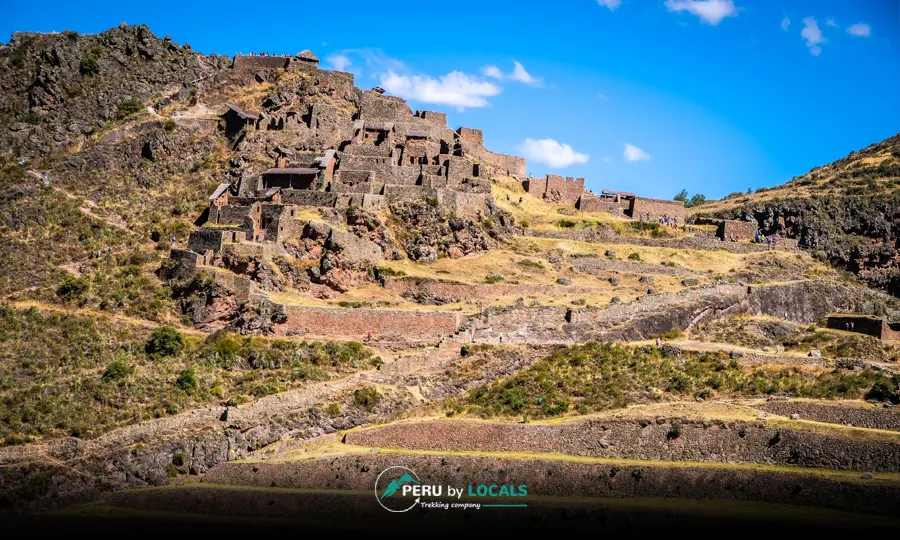
Perched dramatically on a jagged ridge high above the Vilcanota River, Pisac is the gateway jewel of Peru's Sacred Valley of the Incas. A quintessential highlight of any Sacred Valley Tour, Pisac effortlessly blends breathtaking alpine scenery, one of the most astonishing mountaintop Inca citadels ever engineered, and the continent's most celebrated indigenous artisan market. Whether you are arriving on an excursion from Cusco or staying for several days to soak in the valley's spiritual serenity, this comprehensive 2027 guide covers everything you need to know about navigating the Pisac Ruins, uncovering the vibrant Pisac Market, ticket logistics, hiking trails, and authentic local experiences.
The Smartest Route in 2027: Most day-trippers rush through the ruins in 45 minutes on bus tours. To truly experience Pisac's magic without exhaustion, take a local taxi from the town square up to the top entrance (Q'allaqhasa parking lot, ~25-30 PEN). From there, hike downhill along the panoramic cliffside trail through the ceremonial Intihuatana Temple and sweeping agricultural terraces directly back into town (approx. 2 to 2.5 hours). You get all the jaw-dropping vistas without the brutal 400-meter vertical uphill climb!
- 1. What is Pisac? Location, Altitude & Overview
- 2. Pisac at a Glance: Key Travel Logistics
- 3. The Pisac Ruins: Exploring the Archaeological Park
- 4. Key Highlights & Shrines of the Inca Citadel
- 5. How to Explore the Ruins: Downhill vs. Uphill Hiking
- 6. Visiting the Pisac Artisan Market: Best Days & Souvenirs
- 7. Entrance Fees & Boleto Turístico for 2027
- 8. How to Get to Pisac from Cusco
- 9. Other Things to Do: Colonial Ovens & Old Town
- 10. Where to Stay in Pisac
- 11. Practical Tips for a Smooth Visit
- 12. Frequently Asked Questions (FAQs)
- 13. Conclusion & Planning Your Sacred Valley Experience
1. What is Pisac? Location, Altitude & Overview
Pisac (often spelled P'isaq in Quechua) is both a picturesque colonial village and a vast pre-Columbian archaeological complex situated at the eastern gateway of the Sacred Valley of the Incas, approximately 32 kilometers (20 miles) northeast of Cusco in the province of Calca.
The name is believed to derive from the Quechua word p'isaqa, referring to a species of Andean partridge native to the mountain slopes. In keeping with Inca sacred urban geometry—which famously designed Cusco in the silhouette of a puma—the terraced slopes and citadel architecture of Pisac were laid out to mirror the form of this sacred game bird.
During the height of the Tawantinsuyo (Inca Empire), Pisac held immense strategic value. Positioned at the natural choke point where the narrow Vilcanota gorge opens into fertile valley flats, it functioned simultaneously as a military fortress defending the royal capital against incursions from the Amazon jungle (Antisuyu), a royal estate for the Inca Pachacuti, an agricultural research center, and an elevated religious sanctuary dedicated to sun worship.
2. Pisac at a Glance: Key Travel Logistics
| Parameter | Town of Pisac | Pisac Archaeological Park |
|---|---|---|
| Altitude | 2,972 m / 9,750 ft (comfortable acclimatization) | 3,347 m / 10,980 ft at uppermost citadel |
| Entrance Ticket | Free (public plazas, streets & markets) | Boleto Turístico (BTC General S/. 130 or Circuit 3 S/. 70) |
| Opening Hours | Open daily 24/7 (shops ~8:00 AM - 7:00 PM) | Monday to Sunday: 7:00 AM – 5:00 PM |
| Distance from Cusco | 32 km (20 mi) • ~45 mins by paved road | Additional 9 km winding road up mountain from town |
| Recommended Time | 1.5 to 3 hours (market, lunch, colonial ovens) | 2 to 4 hours depending on hiking pace |
3. The Pisac Ruins: Exploring the Archaeological Park
The Pisac Archaeological Park is easily one of the most magnificent engineering achievements in South America. Spread across an expansive mountain ridge between deep ravines, the site covers several square kilometers and is roughly divided into distinct architectural sectors connected by ancient stone stairways, aqueducts, and cliffside trails.
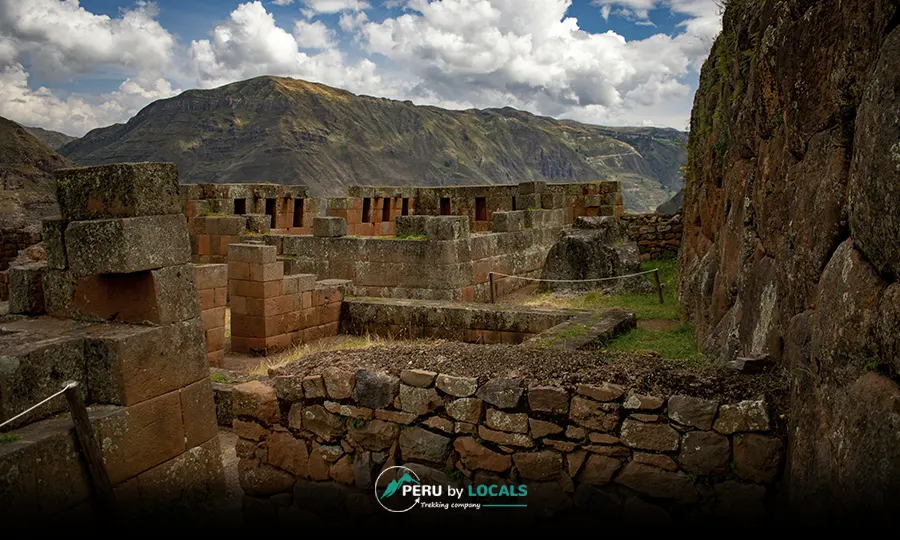
Unlike flatter archaeological complexes, Pisac was engineered vertically. Terraces cascade down dizzying thousand-foot drops, while high-status palaces and temples cling to razor-sharp crests. The sheer scale demonstrates how the Incas seamlessly harmonized monumental stone architecture with the living geology of the Andes.
4. Key Highlights & Shrines of the Inca Citadel
When exploring the archaeological park, you will journey through multiple sectors that each served specialized civic, religious, or military functions:
- The Intihuatana (The Sun Temple): Pisac's spiritual crown jewel. Perched on a dramatic promontory, this sector features finely polished ceremonial masonry surrounding a sacred carved bedrock outcrop. The hitching post of the sun served as a high-precision solar observatory where Inca astronomers charted solstices, equinoxes, and crop cycles.
- Q'allaqhasa (The Mountain Citadel): Constructed on the highest ridge overlooking the southern slopes, this fortified sector features watchtowers, barracks, and defensive walls. Here you will also pass through a fascinating Inca tunnel blasted directly through natural living bedrock.
- Pisaq'a: A semi-circular residential district consisting of over 20 well-preserved stone dwellings, storerooms (qollqas), and ceremonial baths fed by subterranean stone channels.
- Qantus Raqay: A military and administrative outpost situated on a low saddle overlooking the Vilcanota River. Its rustic pirca stonework housed imperial sentries and field administrators.
- Tankanamarka (The Ancient Necropolis): Facing the ruins across the Quitamayo ravine is one of the largest pre-Columbian cemeteries in the Americas. Look closely at the sheer cliff faces to spot hundreds of small cave openings where high-status Inca mummies were entombed in the fetal position with gold, pottery, and textiles.
- The Ajchapata Agricultural Terraces: Hundreds of sweeping, curving stone terraces (andenes) that stabilize the mountain slope. Filled with gravel, sand, and rich organic topsoil imported from the jungle, these terraces created artificial microclimates enabling the cultivation of exotic maize varieties.
5. How to Explore the Ruins: Downhill vs. Uphill Hiking
Visiting the Pisac ruins requires understanding the geography of the trail. There are two primary ways to approach the archaeological site:
Option A: The Scenic Downhill Hike (Recommended for Most Travelers)
From Pisac's main square, hire a local taxi or colectivo to drive you up the winding 9-kilometer paved road to the upper parking entrance (Q'allaqhasa). The drive takes 15–20 minutes and costs about 25–30 PEN ($7–8 USD).
After entering the gate and validating your Boleto Turístico, you explore the upper towers of Q'allaqhasa, cross the stone tunnel, and begin a breathtaking panoramic descent along the Inca trail past Tankanamarka, down to the Intihuatana temple, through the residential sector of Pisaq'a, and down the staircase of the agricultural terraces directly back into the colonial town. This downhill route takes approximately 2 to 2.5 hours, is gentle on the lungs, and delivers non-stop 360-degree vistas of the Sacred Valley.
Option B: The Strenuous Uphill Hike from Town
If you are an avid hiker seeking high-altitude conditioning for the Classic Inca Trail or Salkantay Trek, you can start directly from Pisac town. The trail begins behind the church on the plaza (look for the trailhead sign near Calle Hospital / Intihuatana street).
This route ascends more than 400 vertical meters (1,300+ feet) over steep stone steps under direct sunlight. Expect the climb to take 1.5 to 2 hours of rigorous uphill effort. Be sure to carry at least 1.5 liters of water, apply high-SPF sunscreen, and take frequent pauses to catch your breath.
6. Visiting the Pisac Artisan Market: Best Days & Souvenirs
After descending from the mountain heights, the cobblestone streets of the valley floor lead directly into one of South America's most colorful cultural spectacles: the Pisac Artisan Market (Mercado de Pisac).

Centering around the giant Pisonay trees that shade the Plaza de Armas, the market transforms the heart of Pisac into a kaleidoscope of handwoven textiles, ceramics, alpaca garments, musical instruments, and local agriculture.
When is the Best Time to Visit the Market?
- Daily Market (Monday to Saturday): Smaller, relaxed, and permanent handicraft stalls operate throughout the plaza and surrounding pedestrian streets from 8:00 AM to 6:00 PM. This is ideal for leisurely shopping without large tour bus crowds.
- Sunday Traditional Market (The Grand Day): Sunday is the legendary market day. Indigenous families from remote high-Andean communities (such as Amaru, Viacha, and Cuyo Chico) travel down the mountains in full traditional dress to trade, sell organic produce, and practice traditional barter.
- Sunday Mass in Quechua: On Sunday mornings around 9:00 AM or 11:00 AM, the local village mayors (Varayocs) enter the colonial church in procession, blowing ancestral conch-shell trumpets (pututos) for the traditional Quechua-language Catholic mass.
- Baby Alpaca Textiles: Hand-loomed scarves, ponchos, sweaters, and beanies colored with natural vegetable and cochineal dyes.
- Peruvian Silver Jewelry: Handcrafted 950 sterling silver rings and pendants embedded with Andean turquoise, chrysocolla, and iridescent spondylus shell.
- Traditional Ceramics & Pottery: Hand-painted replicas of Inca queros (ceremonial cups), floral dishes, and miniature Andean bulls (Toritos de Pucará) for good luck.
- Andean Musical Instruments: Hand-tuned bamboo panpipes (zampoñas), wooden quenas, and charangos.
7. Entrance Fees & Boleto Turístico for 2027
Planning your budget for Pisac is straightforward once you understand how Cusco's ticketing system operates:
- Pisac Market & Town: 100% FREE. No ticket or fee is required to walk the streets, visit the artisan stalls, or enter the church.
- Pisac Ruins (Archaeological Park): Requires the Boleto Turístico del Cusco (BTC). Individual tickets for Pisac alone are not sold at the gate.
Visitors have two ticket options depending on their overall itinerary:
- Boleto Turístico General (BTC Integral - S/. 130 PEN / ~$35 USD): Valid for 10 consecutive days and covers 16 major archaeological and cultural sites throughout Cusco, the South Valley, and the Sacred Valley (including Pisac, Ollantaytambo, Chinchero, Moray, Sacsayhuamán, Qenqo, Puka Pukara, and Tambomachay).
- Boleto Turístico Parcial - Circuito 3 (S/. 70 PEN / ~$19 USD): Valid for 2 consecutive days and covers the 4 core Sacred Valley archaeological sites: Pisac, Ollantaytambo, Moray, and Chinchero.
Note: Tickets can be purchased at the main entrance gate of the Pisac ruins using cash (Peruvian Soles) or at the official COSITUC office on Avenida El Sol in Cusco before departure.
8. How to Get to Pisac from Cusco
Thanks to modern paved highways, reaching Pisac from Cusco is quick and scenic:
- Local Colectivo / Minivan (Budget Option): Head to Calle Puputi in Cusco (a short 5-minute taxi ride from the historic center). Modern shared minivans and buses depart every 10–15 minutes toward Calca and Urubamba via Pisac. One-way fare is only 5 to 7 PEN ($1.50–$2.00 USD) and the scenic ride takes about 45 minutes.
- Private Taxi: A private taxi from anywhere in central Cusco directly to Pisac costs between 60 and 80 PEN ($16–$22 USD) one way. You can also negotiate a round-trip day rate that includes waiting time at the ruins.
- Guided Sacred Valley Tour: The most comfortable, enriching way to explore Pisac is on an organized Full-Day Sacred Valley Tour with Peru by Locals. You enjoy seamless private transportation, hotel pickup, expert commentary from a licensed bilingual guide, and continued exploration to the living Inca fortress of Ollantaytambo.
9. Other Things to Do: Colonial Ovens & Old Town
Beyond the ruins and textiles, Pisac retains an earthy, bohemian atmosphere that invites travelers to slow down and wander:
- Taste Giant Empanadas from Colonial Wood Ovens: A quintessential Pisac culinary tradition! Walk down Calle Mariscal Castilla or near the town square to discover century-old wood-fired clay ovens (such as Horno Colonial San Francisco). Watch master bakers pull bubbling, golden empanadas stuffed with fresh Andean cheese, sweet corn, vegetables, or seasoned meat straight from the hearth.
- Visit the Pisac Community Museum: Located along Avenida Federico Zamalloa, this intimate cultural museum features exhibits of Inca ceramics, mummy funeral bundles found in Tankanamarka, and displays on traditional Quechua weaving techniques.
- Stroll the Cobblestone Inca Alleys: The lower village preserves ancient Inca irrigation channels carved into the center of stone streets, where crystal-clear mountain water continues to flow past whitewashed adobe homes with flowering courtyards.
10. Where to Stay in Pisac
Because Pisac sits at a lower altitude than Cusco (2,972 m vs. 3,400 m), many savvy travelers choose to spend their first couple of nights acclimatizing in Pisac before tackling high-mountain trekking. Top accommodations include:
- Pisac Inn: Located directly on the historic town square, this boutique heritage hotel features handcrafted Andean decor, garden courtyards, and the acclaimed Cuchara de Palo restaurant serving farm-to-table Andean cuisine.
- Wolf Totem Guesthouse: Perched on the hillside above the village, this stylish eco-retreat offers panoramic valley views, a Finnish sauna, bohemian lounge areas, and cozy private suites.
- Intihuatana Hostel & Eco-Lodges: Excellent budget-friendly options catering to backpackers and digital nomads with leafy gardens, communal kitchens, and fast Wi-Fi.
11. Practical Tips for a Smooth Visit
- Carry Cash in Small Denominations: Local market vendors and taxi drivers rarely accept credit cards or large 100-sol bills. Bring 10, 20, and 50 sol notes and coins for empanadas, taxis, and souvenirs.
- Sun & Weather Protection: At nearly 3,000 to 3,300 meters, high-altitude UV radiation is intense. Wear a wide-brimmed sun hat, polarized sunglasses, and SPF 50+ sunscreen. Pack a light windbreaker or rain jacket in case afternoon clouds gather.
- Wear Sturdy Footwear: The trails connecting the Pisac ruins consist of uneven stone steps, loose gravel, and narrow cliff pathways that can become slick when wet. Leave flat sneakers at home and wear hiking shoes with good traction.
- Hydrate Regularly: Bring a refillable water bottle. The combination of dry mountain air and uphill walking quickly dehydrates the body.
- Bargain with Kindness: Polite bargaining is normal at tourist souvenir stalls, but remember that textile weaving is an intricate, labor-intensive art. Never haggle aggressively over a couple of soles.
12. Frequently Asked Questions (FAQs)
Do I need the Cusco Tourist Ticket (Boleto Turístico) to visit Pisac Ruins?
Yes. Access to the Pisac Archaeological Park requires either the Boleto Turístico General (S/. 130, valid for 10 days covering 16 attractions) or the Partial Circuit 3 Ticket (S/. 70, valid for 2 days covering Pisac, Ollantaytambo, Chinchero, and Moray). You cannot purchase a single entrance ticket just for Pisac.
Is the Pisac Artisan Market free to visit?
Yes! The artisan market in Pisac's town square is completely free to enter and wander through. While smaller souvenir stalls operate every day of the week, the grand traditional market takes place on Sundays, with official regional market days on Tuesdays and Thursdays.
What is the altitude of Pisac and the Inca ruins?
The colonial town of Pisac sits at approximately 2,972 meters (9,750 feet) above sea level, which is lower than Cusco (3,400 m). However, the upper sectors of the Pisac archaeological complex reach up to 3,347 meters (10,980 feet), so expect a vigorous walk with steep stone staircases.
How do I get to Pisac from Cusco on my own?
You can easily catch a local colectivo (shared minivan) from Calle Puputi in Cusco for around 5 to 7 PEN ($1.50 to $2 USD) per person. The drive takes approximately 45 minutes along a scenic paved highway. Alternatively, you can book a private taxi or join a guided Sacred Valley tour.
Should I hike up to the ruins or take a taxi to the top?
For most travelers, the best approach is to take a local taxi from Pisac town up to the upper entrance parking lot (Q'allaqhasa, ~25-30 PEN), and then hike downhill through the Intihuatana and agricultural terraces back into town (approx. 2 to 2.5 hours). Hiking uphill from town requires climbing over 400 vertical meters of steep stone steps.
What are the famous foods to try in Pisac?
Pisac is renowned for its traditional wood-fired colonial clay ovens (hornos coloniales) scattered near the main square, where bakers make delicious freshly baked giant empanadas filled with cheese, onions, ham, or vegetables. Pisac also boasts a vibrant culinary scene with organic farm-to-table cafes.
13. Conclusion & Planning Your Sacred Valley Experience
From the awe-inspiring terraces of its mountaintop citadel to the vibrant colors and aromas of its traditional artisan market, Pisac is an unforgettable introduction to the wonders of the Sacred Valley. It perfectly balances ancient Incan architectural genius with the vibrant, living culture of the modern Andes.
To get the most out of your journey without the stress of logistics, join a handcrafted Full-Day Sacred Valley Tour with Peru by Locals. Our native Cusqueño guides will immerse you in the secret stories of the Incas, introduce you to master weavers, and ensure you experience the absolute best of Pisac, Ollantaytambo, and beyond.

Contact our travel specialist Jose Condor
"With my experience and passion for tourism, I will guide you to discover the unique attractions of Cusco, helping you plan an unforgettable vacation full of history and adventure."
Call me: +51 989 585 967
